


























The Salem Witch Trials were a historically famous period in time. And although many innocent women during this time were killed for the whole town to see, it is still a part of history. So let’s dive into The Salem Witch Trials, and get a closer look.
What Caused The Salem Witch Trials?
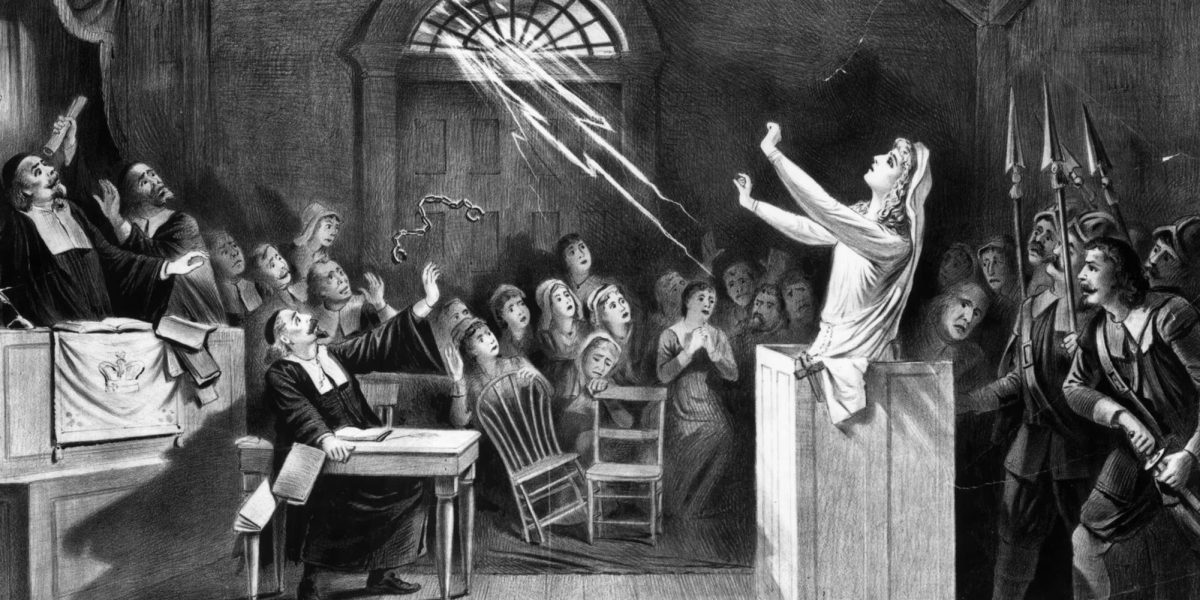
Salem, Massachusetts, January of 1692: two young girls, Elizabeth Paris and Abigail Williams, awake screaming and having violent convulsions in their bed. After the town doctor examined them, he diagnosed them with bewitchment, which then caused talk of witchcraft to spread throughout the town. And not soon after other young girls began to experience the same symptoms. And eventually, the first women were accused.
In February of the same year, Elizabeth Paris and Abigail Williams claimed that the Parisi’s slave, Tituba, along with two other women, a homeless beggar called Sarah Good, and elderly Sarah Osborn, were the people that had bewitched them.
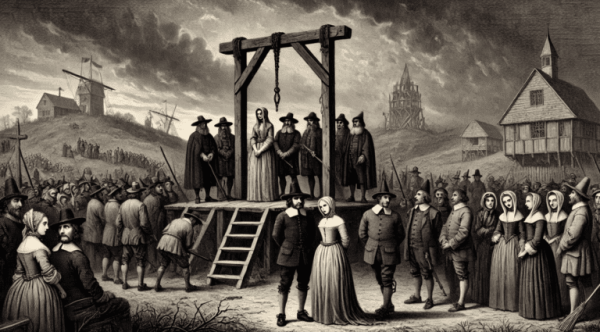
The three women were later brought into court, and while Good and Osborn claimed that they were innocent, Tituba confessed to being a witch. Soon after many other women were accused, and many also said that they were working alongside the devil himself. And finally, the first hanging. Bridget Bishop was hanged on June 10th, which would later become a spot known as Gallows hill in Salem town. Five more people were hanged in July, and then five in August, and eight more in September. Just to add onto the death toll, seven other accused witches died in jail.
The Accused
Tituba –
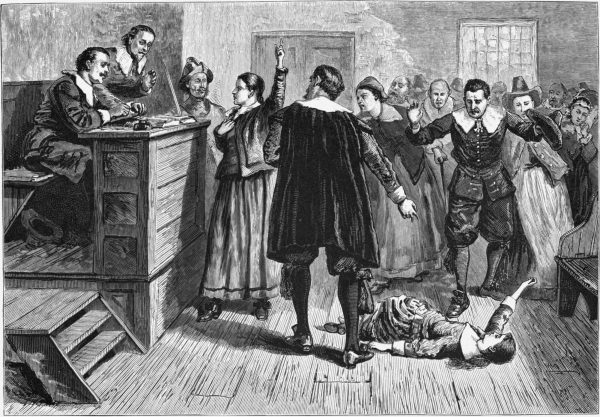
Tituba was an enslaved woman in Reverend Samuel Parris’s household who was the first to be accused of witchcraft in The Salem Witch Trials. A lot of the madness unfolded when she admitted to being a witch, and then later she started ratting out other women, claiming that they were working right alongside her. However, despite all of this, she was never tried. She spent a while in jail and was later released. And her fate after that is unknown.
Sarah Good –
One of the first three women to have been thought to be a witch. One of the main reasons why Sarah was accused was because of her bad reputation in the town. She was a notorious beggar who no one liked. All throughout her accusation, she pleaded innocent, constantly claiming that she was not a witch. But like many women around this time, Sarah Good met her fate on July 19th 1692, when she was hanged with the other condemned unfortunate souls.
Rebecca Nurse –
Unlike many women during this time, Rebecca Nurse was one of the first unlikely people to be accused of witchcraft. At 71 years old, Rebecca was a widely known woman of God in her town. She was described as, “Almost saint-like”, which is why her accusation was just as shocking. But even the most well respected women were not safe from the madness and hysteria that was evoked during the Salem Witch Trials. And although she claimed her innocence till the end, she was eventually hanged on July 19th 1692.
Many people can agree that this was a very dark time for Salem Massachusetts. And although it was probably horrific to go through, it is a great example of why no matter what, certain history must never repeat itself.
Sites
https://www.history.com/articles/salem-witch-trials
https://www.smithsonianmag.com/history/a-brief-history-of-the-salem-witch-trials-175162489/