





















Animals, some of the most bizarre pieces of art from mother nature. We see them everyday, some even live with us as pets and companions! They’ve become a normal part of everyday life, that we forget how truly amazing they can be. While we are used to the common birds or pet dogs, we rarely see these one-of-a-kind animals that are out there. From giant spiders, scary sea creatures, and funky mammals, these animals look straight out of a sci-fi movie.
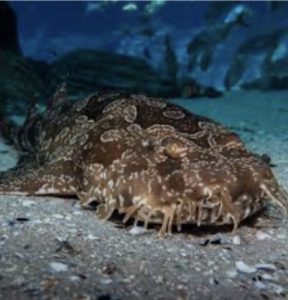
- Wobbegong Shark
The Wobbegong shark is often called a “carpet shark” because of its pattern and flat body. These sharks are known for their funky beards, which are fleshy tassels that help them camouflage on the sea floor to hunt food. The Wobbegong shark hunts on small fish, octopus, crabs, and even smaller sharks! There are 12 groups of wobbegong sharks and they live in the shallow, warm waters of Western Pacific and Indian oceans. Most Wobbegongs grow up to about 4 feet long, but other species can grow up to almost 10 feet.
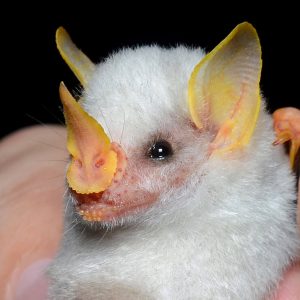
- Honduran White Bat
The Honduran White bat is found in the humid rainforests of Central America and is classified as “almost endangered.” These cute bats are known for being tiny, growing up to only 1.5 to 1.9 inches with about a 4 inch wingspan. These flying cotton balls are most noticeable for their yellow ears and leaf-shaped nose. Its unique shape is used to help with echolocation by directing sound. The vibrant yellow or orange comes from their diet! Much like flamingos, the high amount of carotenoid pigment in their food changes their skin color. They almost only eat from a specific fig tree called Ficus Colubriane.
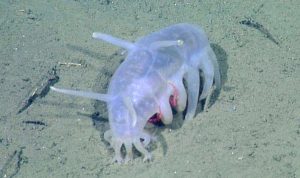
- Sea Pig
This alien-looking creature was discovered in about 1882. It has six pairs of tube feet and tentacles lined along its oral cavity and back. They live on the deep ocean floor, between 3,300 and 19,500 feet below the surface of the ocean. Sea pigs, or Scotoplanes, feed on organic algae particles and decaying matter. These animals also have been found hanging out with juvenile king crabs! Scientists are still figuring out why, but one possibility is that the crabs are seeking protection from predators. Meaning that these underwater aliens might also be babysitters!
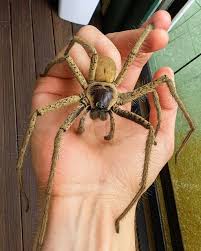
- Huntsman Spider
Out of all the animals in this article, this by far might be one of the most terrifying. The Huntsman Spider is known for holding the record for the longest legspan of any living spider of 12 inches, about the size of a dinner plate. They are found worldwide in tropical and warm areas, like Australia, Africa, Asia, South America, and even some places in the U.S. This spider is not known for building webs, but they use speed and venom to catch their food. They stick to eating bugs, but their size also allows them to eat geckos, frogs, and even tiny rodents on rare occasions. However, they are generally not dangerous to humans with their venom only causing nausea in severe cases. Making them a scary, yet great pest control.
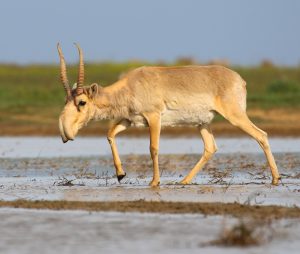
- Saiga Antelope
These funky antelope are known for their bloated noses that almost make them look like an elephant seal. Other than enhancing smelling, Saiga antelope use their nose as a crucial humidifier to filter out dust during hot and dry summer days. Males also use their trunks to make a low-frequency sound as a mating call to attract females. Saigia antelope are found in dry grasslands and semi-deserts in Central Asia. They migrate long distances between summer and winter for grazing areas. Despite living in a dry area, they eat grasses, shrubs, and some herbs. These antelopes diet also includes poisonous plants like sagebrush, Kochia, and saltwort that are dangerous to other animals.
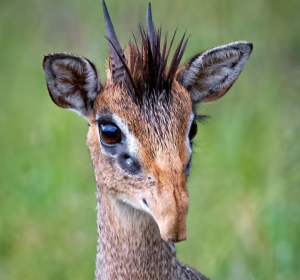
- Dik-Dik
The Dik-Dik is one of the smallest antelopes in the world, standing at about 12 to 16 inches in height. Right below their eyes are specialized preorbital glands that make them look like they have four eyes! They produce a dark substance they use to mark their territory by rubbing their face against twigs and grass. There are four groups of Dik-Di antelope that live in the savannas and rocky lands of Eastern and Southern Africa. The Dik-Dik can run 26 mph and their long snout can cool down their body in intense heat. They are herbivores and usually eat foliage, shrubs, and fruit.